
The word nonprofit can sometimes give the wrong impression.
We need to run a profitable business and be fiscally responsible to our donors, Scouts, and volunteers. We would not last long or be effective if we did not do so. We need to raise money and balance our budget. If we failed to do that, we would not be able to deliver the programs our youth rely on or fulfill our mission.
Supporting that mission requires the help of many people. While financial gifts are always deeply appreciated, many people don’t realize there are several ways to support a nonprofit organization. Some involve money, while others involve time, expertise, or long-term planning.
Here are a few of the ways individuals and families can give.
Types of Donations to a Nonprofit Organization
Monetary Donations
Monetary donations are the most familiar type of charitable giving. These gifts may be made in person, by mail, or online using a credit or debit card. There are two common approaches:
One-Time Gifts
A one-time donation is a single contribution made at the donor’s discretion. These gifts are simple, flexible, and provide immediate support for programs and operations.
Recurring Gifts
Recurring donations are made on a regular schedule—often monthly or annually. These gifts help nonprofits better predict their cash flow and plan ahead. They can also make giving more manageable for donors. For example, a $1,200 annual gift may feel easier to accomplish as a $100 monthly contribution.
In-Kind Donations
Not all donations involve money. In-kind gifts are non-monetary contributions that provide valuable resources or expertise.
Goods
These include physical items such as clothing, books, food, supplies, or equipment that support programs or meet immediate needs.
Services
Professional expertise donated by individuals can be incredibly valuable. Legal services, marketing assistance, accounting help, or IT support can save a nonprofit significant expenses.
Facilities
Some organizations benefit from donated meeting space, storage, office space, or venues for events and programs.
Planned Giving
Some donors choose to support a nonprofit through their long-term financial or estate planning. These gifts allow individuals to leave a lasting legacy while helping ensure the organization’s future.
Common examples include:
Bequests – Gifts included in a will or estate plan.
Charitable Trusts – Trust arrangements that provide income to the nonprofit either immediately or in the future.
Life Insurance Policies – Naming a nonprofit as a beneficiary of a policy.
Retirement Plans – Designating a nonprofit as a beneficiary of retirement accounts such as IRAs or 401(k)s.
Event-Based Giving
Fundraising events offer another way to support nonprofit organizations while bringing people together.
Fundraising Events
Galas, auctions, community gatherings, and other events help raise funds while also strengthening connections within the community.
Crowdfunding Campaigns
Online campaigns allow many people to contribute smaller amounts, collectively making a meaningful impact.
Pledge Drives
These campaigns invite donors to commit to supporting a specific goal over a defined period of time.
Gifts of Stock or Property
Some donors choose to give assets rather than cash.
Stock Donations
Donating appreciated stocks, bonds, or mutual funds may provide tax advantages for the donor while offering significant support to the nonprofit.
Real Estate
Property can be donated directly to a nonprofit for program use or sold to help support the organization’s mission.
Every Gift Matters
Whether it is a financial gift, professional expertise, or long-term planning, every form of support helps strengthen the programs that serve our youth.
If any of these options align with your personal or financial planning, we would be grateful to have a conversation with you.
If you would like to learn more about how you can support Scouting and the young people we serve, please feel free to reach out.
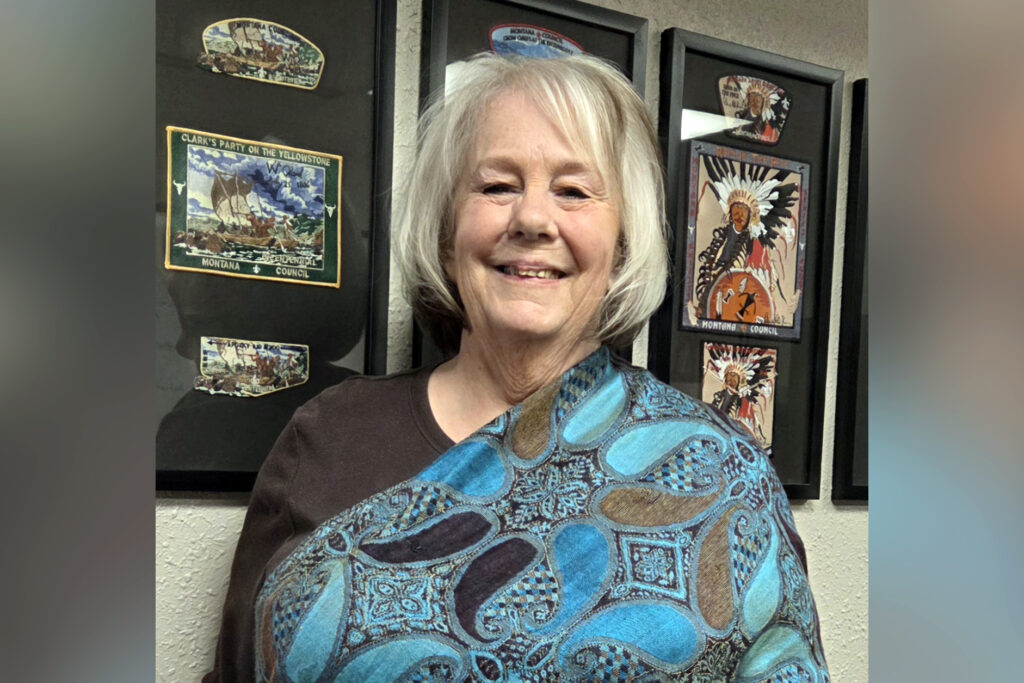
Julie Evans
Director of Development
Julie.evans@scouting.org